
Ask the Expert: Summer Energy Savings, Part 2: Bigger Investments
In Part 1, energy expert George Wood shared quick, low-cost ways SSA members can cut their summer cooling costs. Part 2 covers the bigger-picture investments to consider: whether an energy audit is worth it, which home upgrades pay off the most, and how to pay for them.
Q: Will getting a home energy audit save me money?
Yes, but only if you act on what it finds. An energy audit is like a checkup for your house. An inspector (or you, using a do-it-yourself tool) identifies where you're losing energy, whether that's your insulation, windows, or AC system. The real savings come from acting on what the audit finds.
Many utility companies offer free or low-cost audits, so there's usually little to lose by getting one. A more detailed audit from a certified professional typically costs somewhere between $100 and $400, depending on your area and how thorough it is. Make sure your auditor or audit company is independent and not affiliated with a product or service sales organization.
To schedule one, call your utility's customer service line and ask:
"Do you offer home energy audits?"
"Are they free or low-cost?"
"Who can I contact to schedule one?"
"Are there any eligibility requirements?"
If you go with an independent auditor instead, get two or three proposals and check references.
Whether the audit saves you money depends on what it finds and whether you act on the results. A home with drafty windows or thin insulation can see real savings after making fixes. A newer, well-sealed home might have less room for improvement.
Q: What long-term home upgrades make the biggest difference?
For households ready to invest a bit more, a handful of home upgrades can lower cooling costs all season long, and many of them help in winter too, so the savings add up year-round. This is where an energy audit pays off: it can tell you which of these upgrades will save you the most for the money you put in.
Start with the outside of your home: the walls, roof, and windows. The less heat that gets in to begin with, the less your AC has to work:
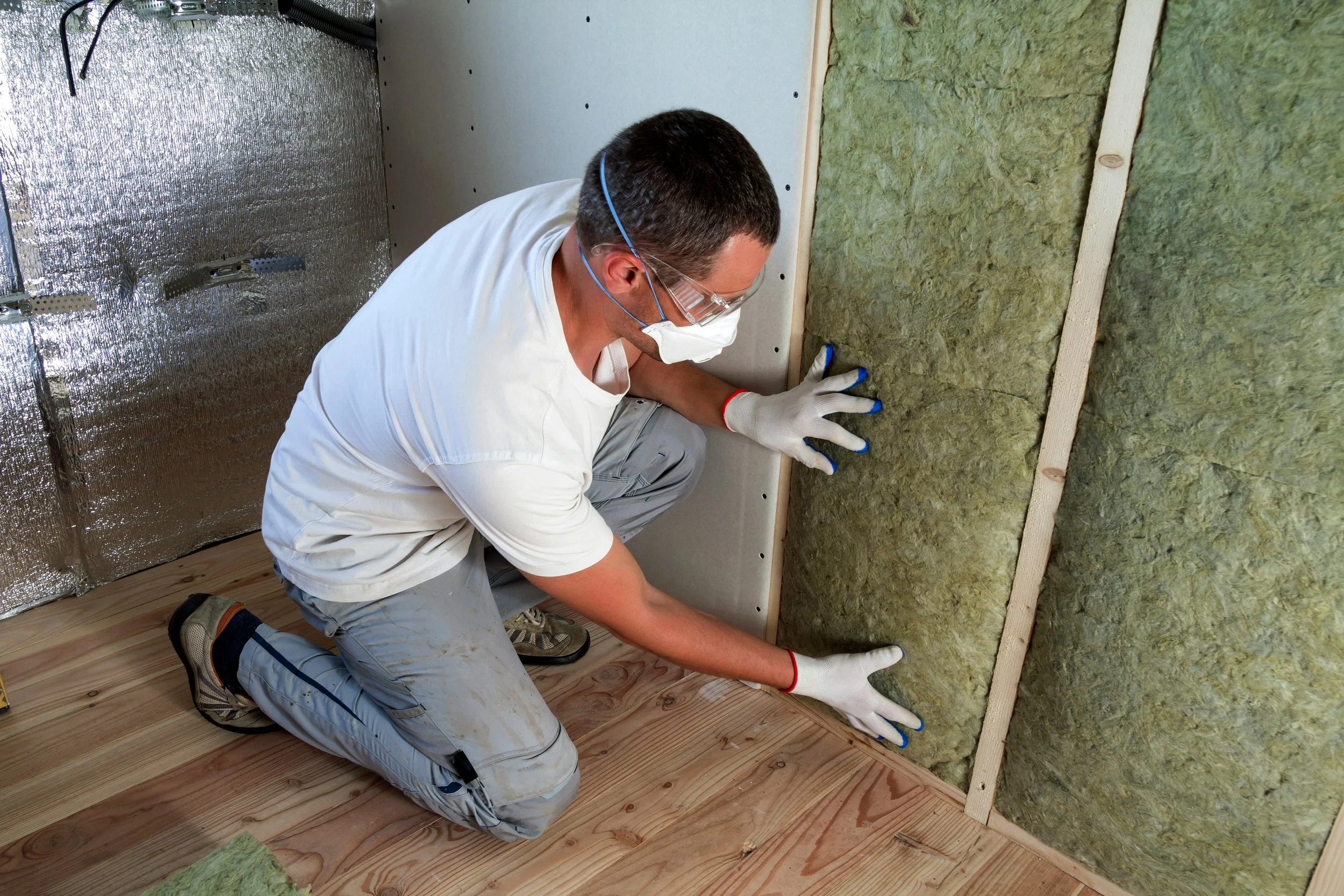
Add more insulation to your attic (blown-in fiberglass or cellulose works well) to block heat coming in through your roof.
Add reflective window film, awnings, or shades on the walls that face south and west.
Plant shade trees that lose their leaves in winter on the south and west sides of your property. They block the sun in summer and let it through again once the leaves drop.
From there, the next round of savings comes from the equipment doing the actual cooling:
Replace cooling systems older than 10 years with a modern, high-efficiency, Energy Star-rated model. An energy audit can help determine if your system needs to be replaced.
Have your air ducts checked, and cleaned if needed, to make sure they're properly sealed. Leaky or dirty ducts make your system work harder than it needs to.
Consider installing an attic exhaust fan if it makes sense for your home.
For more detail on any of these upgrades, the U.S. Department of Energy's Home Upgrades guide is a good next stop. And remember: completing an energy audit first can help you identify which upgrades will save you the most.
Q: How can I get help paying for home energy upgrades?
Bigger upgrades don't have to come entirely out of pocket. A few avenues are worth exploring to help cover the cost of upgrades:
Ask about financing when you schedule your energy audit. Many utility companies that offer free energy audits also offer qualifying customers lower-interest financing for the upgrades the audit recommends.
Check with your credit union about financing partnerships or energy-saving loan programs. Many credit unions offer loans specifically for home improvements like HVAC systems, heat pumps, and insulation, often through state or utility-backed programs.
Look into national and state-level programs too. Some states run green bank or utility-backed loan programs that partner with local credit unions and banks. National networks, like the nonprofit National Energy Improvement Fund, also connect homeowners with lenders that offer energy-efficiency financing.
Thank you, George, for sharing your expertise and helping SSA members save money on their summer cooling costs.

