
Event Recap: 3rd Grade Budgeting Workshop
Smarter Savings in Action
This week, I had the pleasure of spending an afternoon with a 3rd grade Brownie troop, exploring some big money ideas in kid-sized ways. Our goals were simple:
Practice telling the difference between wants and needs
Learn how to compare prices using unit cost
Work together to shop on a budget
Experience a real-life cash transaction at a grocery store
These Brownies took budgeting very seriously, and had a lot of fun doing it.
Starting with Wants vs. Needs: A 3rd Grade Money Lesson
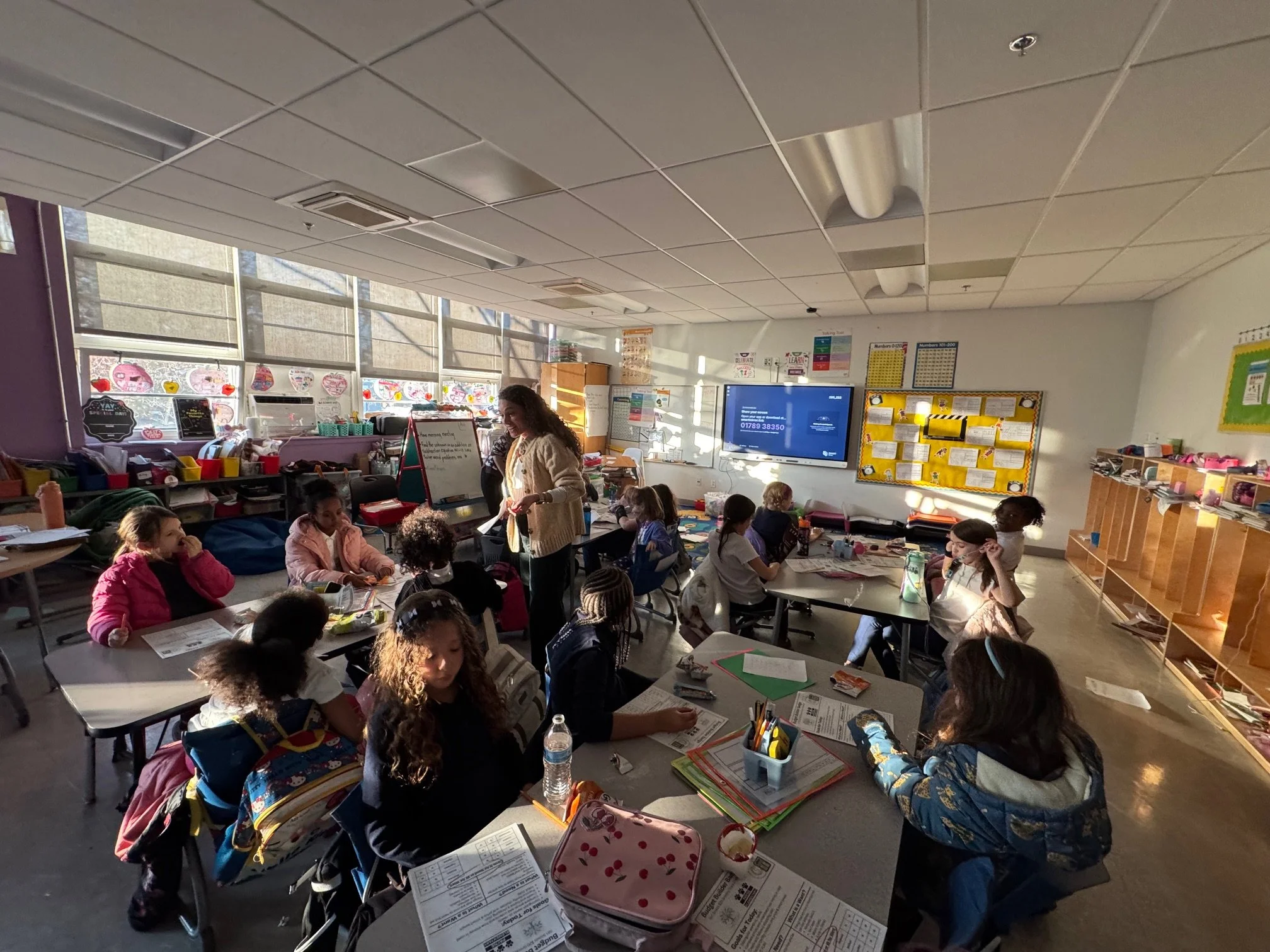
We kicked things off with a group conversation: What is a need? What is a want?
The girls quickly came up with examples:
Needs: food, water, a safe place to live, clothes, medicine
Wants: toys, cupcakes, video games
We talked about how both wants and needs are okay, but when money is limited (and it almost always is), it helps to make sure needs are covered first. The Brownies practiced by sorting different items into “want” or “need” and explaining why they chose that category. That “why” is where the real learning happens.
Learning to Compare Prices with Unit Cost
Next, we put on our “smart shopper” hats and talked about unit cost, how much something costs per item or per ounce, per cookie, etc.
We compared two versions of granola bars as an example:
A small box with a lower total price
A larger box with a higher total price
At first, many of the girls said they’d choose the cheaper total price. Then we looked at unit cost and saw that sometimes:
The bigger package is actually cheaper per granola bad
The smaller package can be more expensive per granola bar, even if the price on the shelf looks lower
We walked through a few examples together so they could see that “cheapest” doesn’t always mean the lowest number on the tag. You have to look closer.
The $20 Recipe Challenge (With a Real Store Trip!)
Then it was time for the main event: a hands-on budgeting challenge at an actual grocery store.
We broke into four teams, and each team received:
A recipe to shop for
A $20 budget in real cash
A list of ingredients they needed to find in the store
To keep everyone involved, each Brownie had a role:
Price Checker – Looked up item prices and, when available, checked unit cost on the shelf tags
Store Navigator – Helped find items in the aisles and kept the team moving
Cart Manager – Kept track of what was already in the cart and made sure they didn’t grab extras “just because”
Recorder – Wrote down items, prices, and a running total to help the group stay under budget
The teams had to find all ingredients for their recipe, make smart choices when there were options (brand vs. store brand, small vs. large size, etc.) and stay under $20.
I heard great questions and debates:
“Do we really need this extra topping, or is it a want?”
“The big box costs more, but it’s actually cheaper per unit.”
“If we switch to the store brand, we’ll have enough left over.”
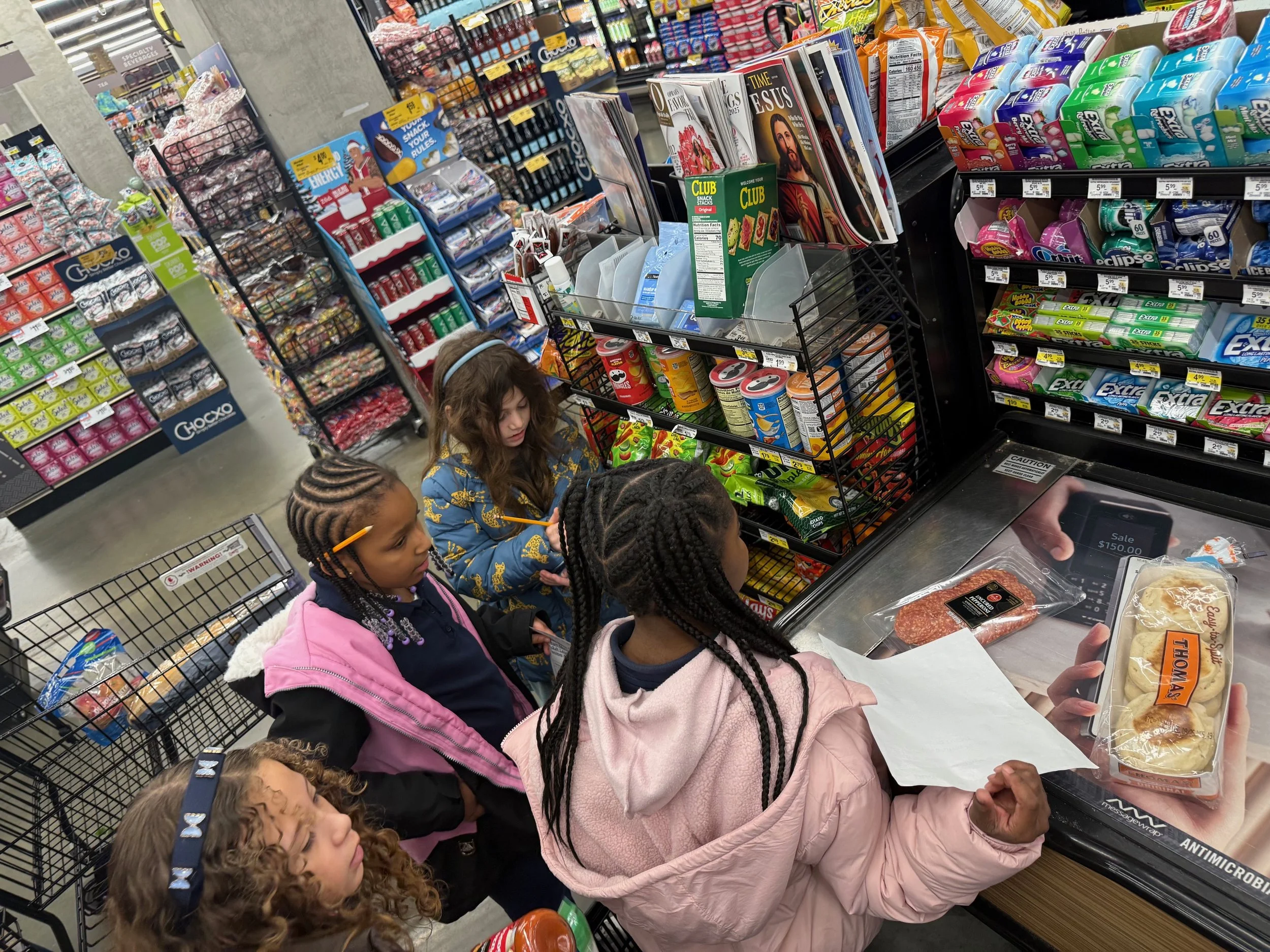
The Cash Register Moment
Once each team had everything in their cart and felt confident about their totals, it was time to check out.
Each group took their items to a real cashier, watched the prices ring up on the screen, handed over cash for their purchase, and collected a receipt and checked the total.
This simple moment packed in a lot of learning:
Seeing how tax can change the final amount
Noticing whether they were under or very close to $20
Understanding that once you hand over cash, that money is gone and turned into goods
For many of the girls, it was one of their first times really paying attention to the process, not just standing beside an adult while they checked out.
And to top if off, we returned to school and each team got to make and enjoy the recipe they shopped for!
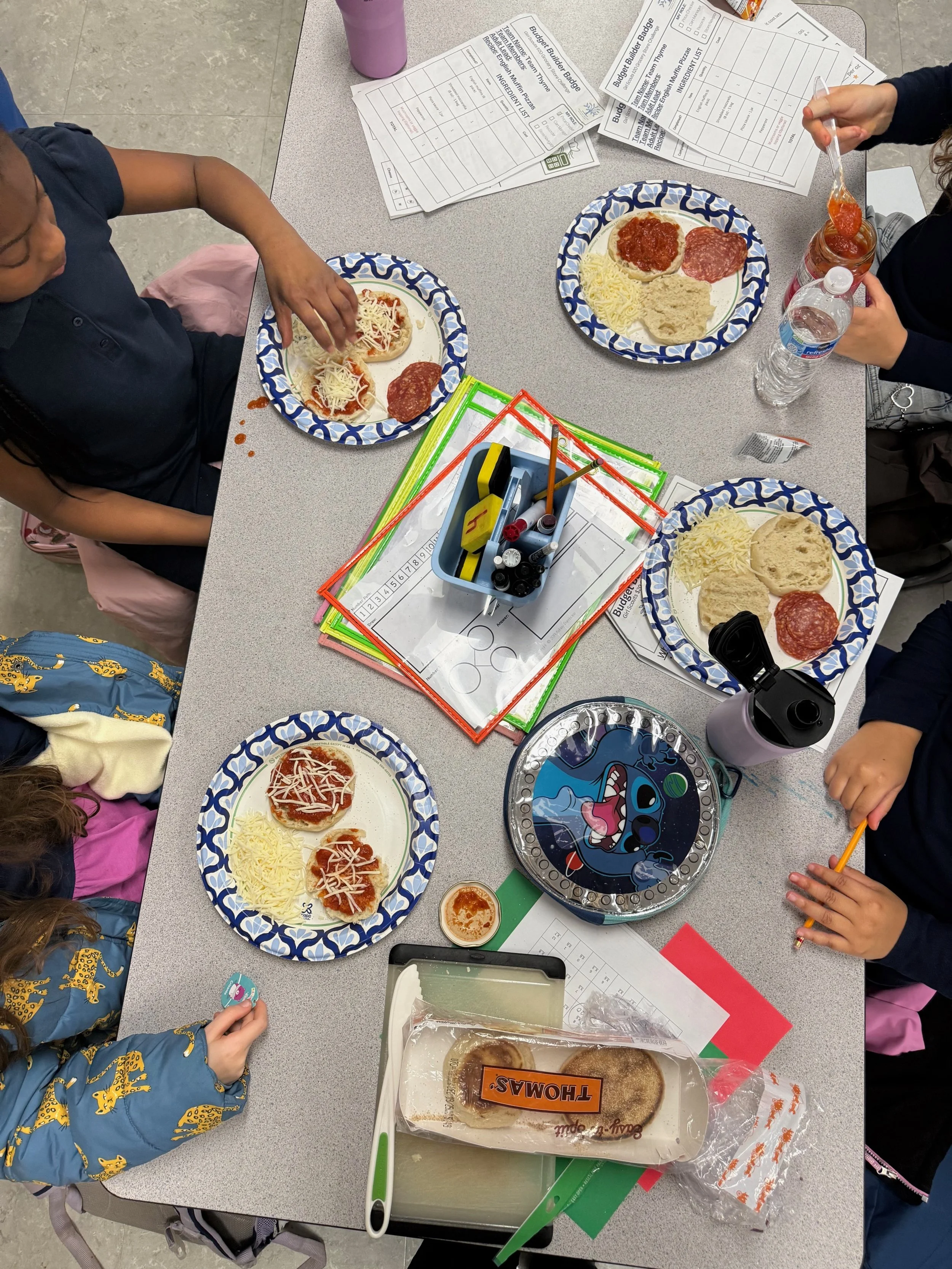
Team Thyme made english muffin pizzas as part of our budgeting workshop.
What the Brownies Took Away
By the end of the activity, the troop could clearly explain:
Wants vs. Needs:
They understood that wise spending doesn’t mean never choosing wants, it means recognizing them and making sure needs are covered first.Unit Cost Matters:
They began to see why looking at price per unit is an important step in being a smart shopper.Budgets Are a Puzzle to Solve:
Working within $20 felt like a puzzle to solve, not a restriction. They were proud when their total fit under budget.How a Cash Transaction Works:
They got to see their decisions move from paper to cart to checkout, then turn into a real receipt, closing the loop from planning to paying.
One of my favorite moments was hearing a Brownie say, “I’m going to help check the prices next time we go to the store.” That’s exactly the kind of real-life confidence we hope to spark.
Try This at Home or with Your Group
This simple 3rd grade budgeting activity works well for elementary classrooms, girl scout troops or any kids’ financial literacy workshop. If you’d like to recreate a version of this activity at home, in your classroom, or with a troop:
Start with a short conversation about wants vs. needs.
Choose a simple recipe and set a realistic budget.
If possible, go to a real store and give kids the chance to find items, compare prices and help pay with cash and look at the receipt.
Assign roles so everyone has a job and a chance to participate.
Ask lots of “why” questions along the way:
Why did you choose that size?
Was that ingredient a want or a need?
Did the final total surprise you?
Hands-on experiences like this are where money skills really stick. Smarter Savings in Action show that financial education doesn’t have to be complicated, it just has to be real, practical, and a little bit fun.
Want to plan a similar event with your group? I’d love to help. Reach out to discuss workshop options and we can design a session that fits your ages, goals, and setting.

