
Budget with a Lifestyle in Mind: Budgeting Basics
This is Step 4 of our Budgeting Basics series. Start with "Understand What You Spend" (Part 1), "Wants vs. Needs" (Part 2), and "Prioritize Your Spending" (Part 3), then come back here to start building a budget that fits how you actually live.
If you started with us in part 1 of our budgeting basics series, you should now have a picture of your current spending, clarity on wants vs. needs, and of your “wants,” a sense of which expenses matter most to you.
Remember, a good budget isn't just about numbers, it's about building a plan you can stick to. Maintaining a budget usually means you have a plan that works with your daily routines, your goals, and yes, even your guilty pleasures.
What Does "Lifestyle" Mean in Budgeting?
Your lifestyle is simply how you live your life. Think about your work schedule, your hobbies, how you unwind, how you celebrate, and what brings you comfort. A budget that ignores these things won't last. This is where the work you did in Parts 2 and 3 comes together.
In Part 2, you sorted your spending into wants and needs. In Part 3, you ranked your wants by what matters most. Now, take a look at what you came up with and ask yourself:
Do my high-priority wants reflect how I actually want to live? If “experiences with friends” ranked high, does your spending support that?
Are there needs I've been treating like wants? Maybe you've been feeling guilty about a gym membership, but if it keeps you healthy and able to work, it might be more of a need than you realized.
Are there wants I'm paying for out of habit, not joy? Subscriptions you forgot about, takeout you order when you're too tired to think. These might be places to cut so you can spend more on what actually matters.
A lifestyle budget should protect your needs, fund your high-priority wants, and reduce the low-priority spending that doesn't add much to your life. A few real-life examples:
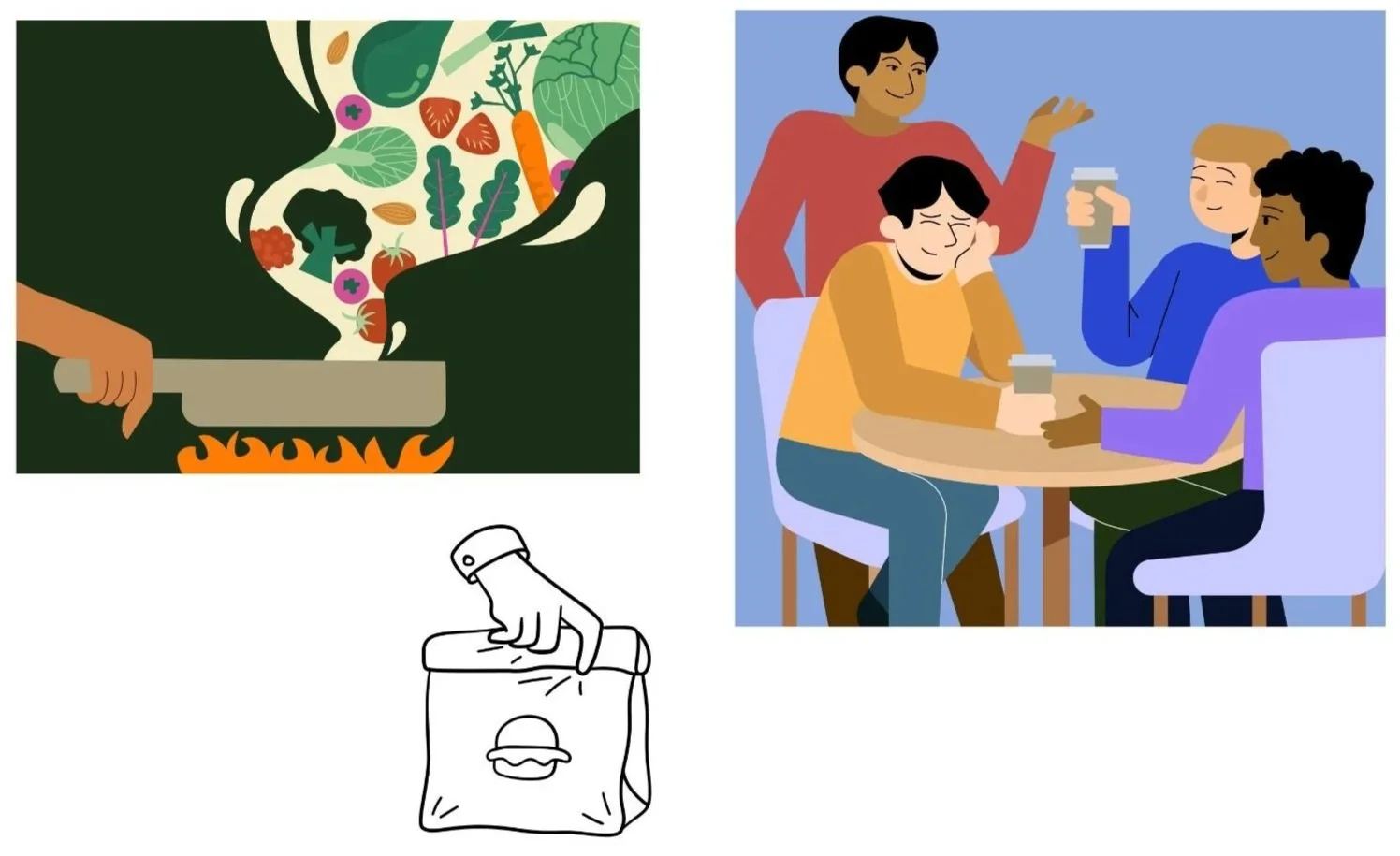
If you love cooking at home, your grocery budget might be higher than someone who barely uses their kitchen.
If coffee with a friend is your favorite weekly ritual, cutting that out completely will feel like punishment.
If you work unpredictable hours, you might rely on takeout more than you'd like and that's okay to plan for.
The goal isn't to change who you are. It's to be honest about how you live so your money plan can support it.
Want help putting this into practice? Members have access to our My Life, My Budget reflection online worksheet, a set of guided questions to help you check whether your spending actually matches how you want to live. Become a member to access it and continue building your budget with SSA.
Ready to put this into action? In the next and final post of our budgeting basics series, we'll walk through how to actually build your budget, including how to make saving a regular part of the plan.

